
Section 06 of 06
Growing San Pedro as an ornamental cactus
How to grow San Pedro, Peruvian torch and Bolivian torch at home: light, soil, watering, winter rest, cold tolerance, cuttings and sowing seed.
Updated
San Pedro is one of the easier cacti to grow. It wants a bright spot, free-draining soil, generous water in summer and a cool, dry rest in winter, and it rewards that with up to about 30 cm of new growth a year. Peruvian torch and Bolivian torch need the same care. This page covers the plant as an ornamental; in Germany the reason you grow it matters legally, see the legal overview.
The species details here come from the Wikipedia account of Echinopsis pachanoi. The general cactus care follows the Royal Horticultural Society's guide to growing cacti and succulents.
Light
In the Andes San Pedro grows in open, bright places at 2,000 to 3,000 metres. Indoors that means the sunniest window you have: south-facing in the northern hemisphere, or a conservatory. In poor light the new growth comes out narrow and pale.
The RHS suggests cacti can go outdoors in summer to enjoy the sun. If you do, choose a sheltered place and bring the plant back in before the nights turn cold.
Soil and pots
San Pedro needs a fertile but free-draining mix. The species account recommends an inorganic, lightweight component such as pumice or perlite. The RHS mix for cacti is 2 parts John Innes No 2 (peat-free) to 1 part horticultural grit or sharp sand by volume.
Use a pot with drainage holes, and repot in spring once the plant has outgrown its pot. A tall column becomes top-heavy, so a heavier pot of clay or stone keeps it from tipping over.
Watering and feeding
From spring to early autumn, water thoroughly when the surface of the compost feels dry, and let the excess drain away. Never leave the pot standing in water. San Pedro is less sensitive to overwatering than many cacti, especially in warm weather when it is growing, but too much water combined with cold is the most common way to lose one: the stem base turns soft and brown from a fungal rot.
Feed once a month from April to September with a liquid feed high in potassium, such as tomato feed.
Winter rest and cold
From November to early March give the plant a rest: a cool, bright place with night temperatures around 8 to 10 °C, and little or no water. Water only if the stem starts to shrivel. Warm rooms and winter watering produce weak, stretched growth.
San Pedro is hardier than most cacti. It is rated for USDA zones 8b to 10, and plants have been recorded growing where winter minimums range from about -9 °C to 10 °C. That figure applies to dry plants in well-drained ground. A wet plant in a cold spell is far more vulnerable, so in a northern European climate it is safest to keep potted plants frost-free and dry over winter.
Flowers
Mature stems can carry large white flowers, around 19 to 24 cm long, which open at night, smell strongly and last about two days. Do not expect them on a young plant; a seedling needs years of growth before it reaches flowering size.
Cuttings
Propagating San Pedro from cuttings is simple, which is why so many plants in circulation are clones.
- Cut a section of stem with a clean, sharp knife. Wear gloves for spiny relatives such as the Peruvian torch.
- Leave the cut end to dry and form a callus. The RHS gives anything from a day to a week for cacti in general.
- Set the cutting upright on a free-draining mix, pushing it in just enough to stand.
- Keep the compost only slightly moist until roots form, then care for it like a mature plant.
Growers also graft small cuttings onto fast-growing stock, such as the cultivar known as PC or Myrtillocactus geometrizans, to speed things up.
Sowing seed
Seed is the cheapest way to get many plants and gives genetically varied seedlings. The RHS advises sowing cacti at around 21 °C in a bright spot out of direct sun. Use a fine, gritty mix and keep the seed tray humid under a clear cover until the seedlings appear, then give them more air step by step. Expect the first year to be slow.
Plants and seeds at Dutch-Smart
Dutch-Smart sells San Pedro and Peruvian torch seed, and young Peruvian torch and Bolivian torch plants. The Bolivian torch on offer is the monstrose form with short, knobbly segments. Shipping living plants and seeds abroad depends on the destination's rules, so check the legal overview first.
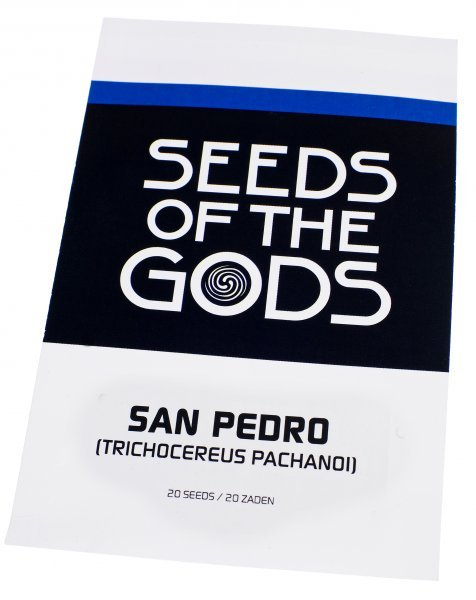 San Pedro - 20 seeds - Trichocereus pachanoi
€5.90Dutch-Smart
San Pedro - 20 seeds - Trichocereus pachanoi
€5.90Dutch-Smart
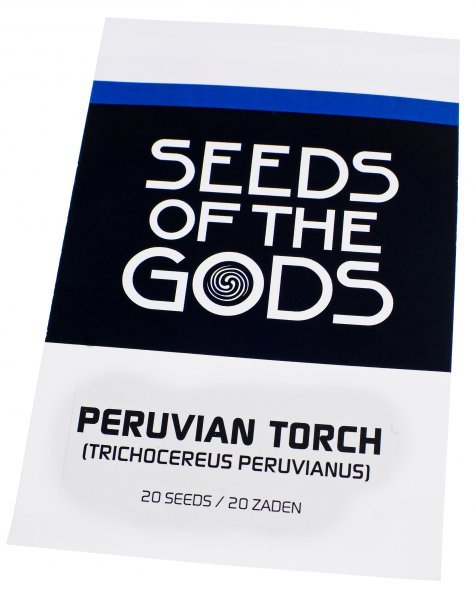 Peruvian Torch 20 seeds - Trichocereus peruvianus
€5.90Dutch-Smart
Peruvian Torch 20 seeds - Trichocereus peruvianus
€5.90Dutch-Smart
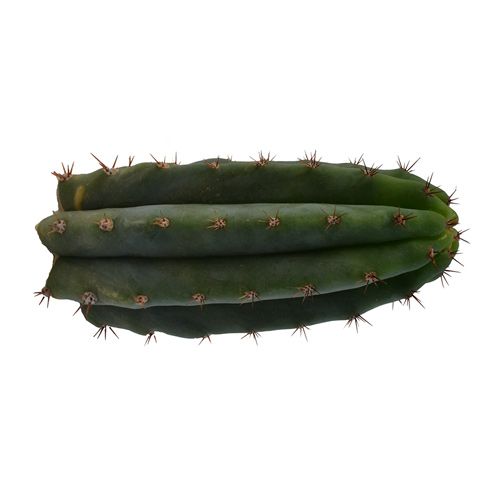 Peruvian Torch - Trichocereus peruvianus
€7.90Dutch-Smart
Peruvian Torch - Trichocereus peruvianus
€7.90Dutch-Smart
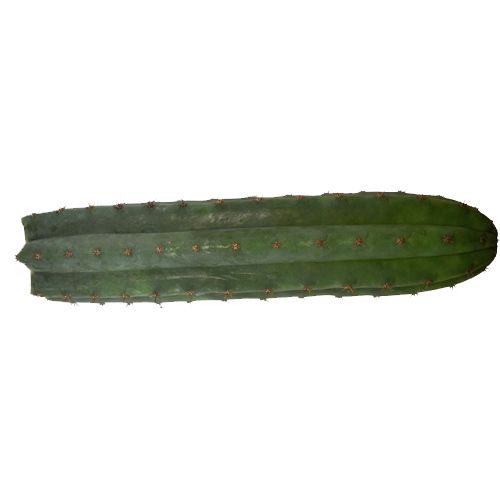 Peruvian Torch 25–30 cm - Trichocereus peruvianus
€23.50Dutch-Smart
Peruvian Torch 25–30 cm - Trichocereus peruvianus
€23.50Dutch-Smart
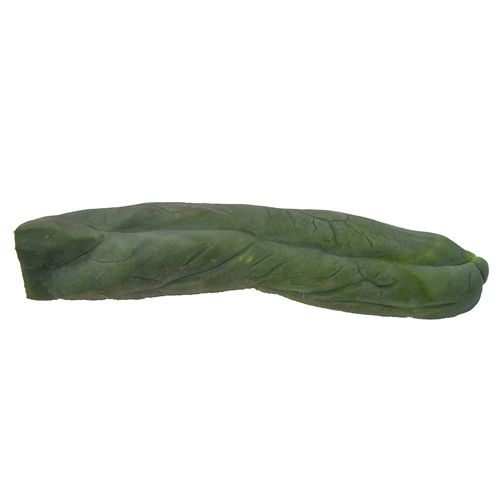 Bolivian Torch 25–30 cm (Penis Cactus) - Trichocereus lageniformis
€23.50Dutch-Smart
Bolivian Torch 25–30 cm (Penis Cactus) - Trichocereus lageniformis
€23.50Dutch-Smart
If you want to know more about the plants themselves, read what San Pedro is and the history of huachuma.