Echinopsis pachanoi · Central Andes, 2,000 to 3,000 m
The San Pedro cactus
A sourced guide to the San Pedro cactus: the plant and its relatives, its Andean history, effects and duration, nausea and safety, the law and growing it.

Updated
San Pedro is a fast-growing columnar cactus from the Andes of Ecuador and Peru, known to botanists as Echinopsis pachanoi and to most growers by its older name, Trichocereus pachanoi. Its stems contain mescaline, a psychedelic alkaloid, in amounts that differ by a factor of about 100 from one plant to the next. In many countries the living cactus is sold as an ornamental plant, while mescaline itself is a controlled drug.
This site sets out what is documented about the cactus: what it is, where it comes from, what mescaline does and for how long, what tends to go wrong, and what the law says in eight countries and under the UN treaties. Each page links the sources it relies on, and where something is not known we say so. It is written for adults and gives no preparation or extraction instructions.
Key facts
| Fact | San Pedro |
|---|---|
| Botanical name | Echinopsis pachanoi, synonym Trichocereus pachanoi |
| Native range | Andes of Ecuador and Peru, mainly at 2,000 to 3,000 m |
| Close relatives | Peruvian torch (E. peruviana), Bolivian torch (E. lageniformis) |
| Active compound | Mescaline, plus smaller amounts of related alkaloids |
| Measured mescaline | 0.053% to 4.7% of dry weight across 14 tested cacti |
| First effects | after 45 to 90 minutes |
| Duration | 9 to 14 hours |
| Most common complaint | nausea and vomiting in the first hours |
| Live cactus | sold as an ornamental in many countries |
| Mescaline | controlled under the UN 1971 Convention and national laws |
The mescaline range comes from a single laboratory study of 14 cacti from the San Pedro group (Ogunbodede et al. 2010). The timing comes from the Australian Alcohol and Drug Foundation's mescaline fact sheet and a controlled study at the University Hospital Basel (Ley et al. 2023).
The short answers
How long does a San Pedro trip last? Long. Mescaline usually takes 45 to 90 minutes to start and lasts 9 to 14 hours. In the Basel study, a 500 mg dose of pure mescaline lasted 11.1 hours on average, more than twice as long as psilocybin. The details are on the effects page.
Is San Pedro legal? In most of the countries we checked the cactus itself is not named in drug law, but mescaline is, and so are preparations that contain it. Growing the plant in a pot is a different act from drying, boiling or extracting it. The legal page goes through the UK, the US, the Netherlands, Germany, France, Canada, Australia and Peru, plus the UN treaties.
Why does it make people sick? Nausea and vomiting are listed as typical effects of mescaline, and the bitter, bulky plant material adds to it. The safety page explains what to expect and which combinations are dangerous.
Where does the name come from? The cactus has been part of Andean ritual life for at least two thousand years, under names such as huachuma and achuma. The Christian name San Pedro dates from the Spanish colonial period. See history.
Where to start
New to the subject: begin with what San Pedro is, then effects and duration and safety. Interested in the plant for the garden or windowsill: go to growing San Pedro. Wondering what applies where you live: the legal overview, checked on 10 October 2026.
San Pedro and its relatives as plants
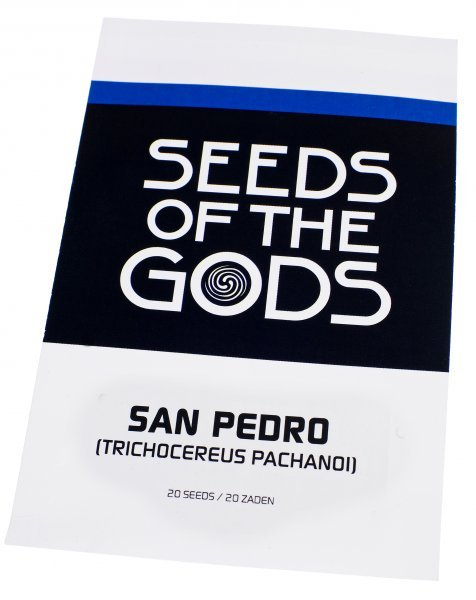
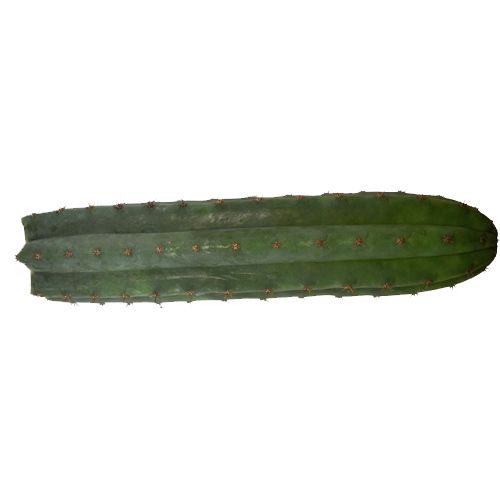
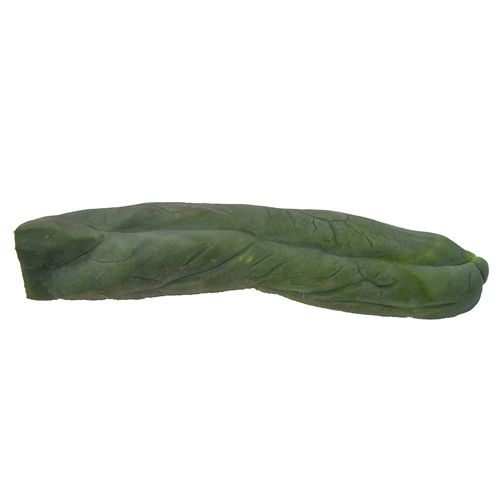
As ornamental plants these cacti grow quickly and forgive a lot: light to dark green ribbed columns that can carry large white flowers opening at night. Dutch-Smart sells San Pedro seeds and living Peruvian torch and Bolivian torch cacti. Check the legal page before you order to another country.